
 By Elizabeth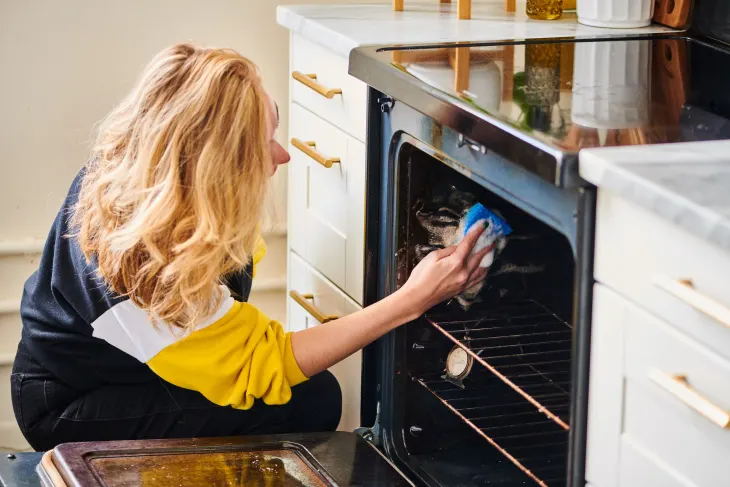
In my 15 years leading teams in facilities and operations, overheating appliances has consistently been a problem costing downtime and repairs. I’ve seen companies waste thousands poorly managing this issue because they underestimated how critical it is to prevent overheating before it happens. The reality is that many appliances run under high-load conditions regularly, and without proper care, they can overheat and fail prematurely. What I’ve learned is that intentional, practical steps—not just theory—make the difference. Here’s an honest take on smart tips to prevent appliance overheating that work in the real world.
Efficient Ventilation Is Non-Negotiable
Proper airflow around your appliances isn’t a nice-to-have; it’s fundamental. I once worked with a client who installed high-end machines in a cramped utility room. They ignored ventilation, and overheating soon became their daily headache, causing costly production halts. Since then, I always emphasize freeing up space around your appliances for air to circulate, or installing exhaust fans if necessary. The data tells us that improving ventilation can reduce internal temperatures by up to 20%, which significantly lowers overheating risk. If you’re interested in detailed operational insights, I recommend reading practical advice on maintenance approaches from DMC Insider, which goes beyond theory into real-world application.
Regular Maintenance and Cleaning Prevents Hidden Heat Traps
Back in 2018, everyone thought just servicing appliances quarterly was enough. We tried this approach and quickly learned it backfired because dust buildup in vents and coils silently raised heat. In practice, regular cleaning is crucial. Dirt and debris act like insulation, trapping heat inside your appliance. My advice: schedule cleaning more frequently during heavy-use periods, and inspect vents for blockages. This is why staying in tune with maintenance trends from sources like First Indian Paper helps; their insights on industrial upkeep reflect shifts in effective cleaning regimes.
Monitoring Load and Usage Patterns Avoids Overworking Appliances
The 80/20 rule applies here—20% of your appliances usually do 80% of the heavy lifting. From a practical standpoint, overload is a primary cause of overheating. I’ve seen cases where failure to rotate equipment usage led to some machines overheating while others sat idle. The reality is that managing load distribution and avoiding continuous max output without breaks lowers heat stress. Smart companies now use usage monitoring tools that alert early signs of overuse, a step every operational manager should consider.
Invest in Quality Thermal Protection Devices
Throwing caution to the wind on safety gear is risky. We’ve all heard that “the real question isn’t whether, but when” an appliance will overheat if protections aren’t in place. Protective devices, like thermal fuses and cut-off switches, can save your equipment and facility. While they aren’t glamorous, these investments pay off by preventing catastrophic damage that leads to costly repairs or liability issues. For legal perspectives on appliance damage and liability concerns related to overheating, Injury Lawyers Hub provides valuable context that informs risk management decisions in business.
Educate Your Team and Enforce Best Handling Practices
I’ve come to believe that one of the biggest oversights is underestimating human factors. Even the best tech fails without trained operators. I once collaborated with a client whose operators routinely bypassed safety protocols to save minutes. That led to repeated overheating and shutdowns. From experience, ongoing team education paired with accountability makes a huge difference. Sharing stories like this with your team creates buy-in. For industry storytelling that highlights human factors in technical mishaps, Geschichtenmag offers compelling narratives that drive these lessons home.
Conclusion
Look, the bottom line is overheating isn’t just a technical issue; it’s operational, managerial, and even cultural. The hard truth I’ve learned is that many companies treat it as a minor nuisance until it becomes a crisis. Preventing appliance overheating requires practical measures in ventilation, maintenance, load monitoring, safety investments, and training. Invoking proven frameworks and real experiences you’ve seen make the difference between reactive fixes and proactive control. Smart companies who treat overheating prevention as a priority reduce downtime, extend equipment life, and save money — plain and simple.
What are your thoughts on these approaches? Have you seen any tricky overheating challenges in your work, and how did you tackle them?
FAQs About Preventing Appliance Overheating
What causes appliances to overheat most often?
Most overheating occurs due to poor ventilation, dust buildup, excessive load, or failing safety devices. Human error and ignored maintenance also play critical roles.
How can regular maintenance reduce the risk of overheating?
Routine cleaning and inspection remove dust and blockages that trap heat, ensuring appliances run at safe temperatures consistently.
Are load monitoring systems worth the investment?
Yes. They provide early warnings on overuse and help distribute workload evenly, reducing stress and overheating incidents on key equipment.
What thermal protection devices should I install?
Thermal fuses and automatic cut-off switches are essential to shut down appliances before overheating causes damage or fire hazards.
How important is staff training in preventing overheating?
Crucial. Educating users on proper handling and enforcing protocols prevents mistakes that commonly lead to overheating and equipment failure.